

A Prayer for Victims of Hurricane Helene
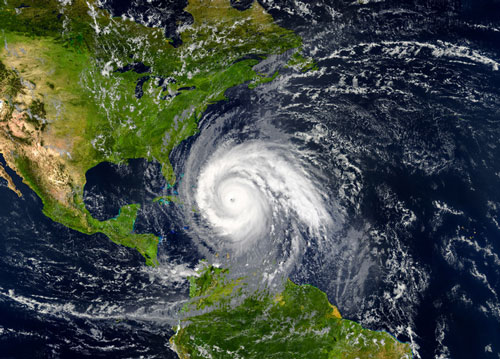 Please join in praying for all who have suffered loss and hardship from the effects of Hurricane Helene. And, as you have suffered loss, know that you are surrounded by intercessors holding you close.
If you are moved to provide financial support, consider a donation to Episcopal Relief and Development (www.episcopalrelief.org).
O God, most gracious Creator, we pray for your unbounded mercy and grace for all who are suffering from the effects of Hurricane Helene. We pray especially for:
- The repose of the souls of all who have died from the direct effects of the hurricane, and for those who were lost to tidal surge and to sever flooding, and for those who grieve the loss of loved ones.
- Those survivors, who have lost loved ones, homes, businesses and who are out of work.
- Those who are suffering from lack of water, food, medication, and communication.
- Those whose utilities are out of service, whose roads and bridges have been washed away, who have no transportation.
- For those faithful to God whose places of worship have been damaged or destroyed.
- For all who govern as they plan and act on immediate needs and look to the future of the people they serve.
We turn to you, O God, for wisdom, encouragement and strength through the power of the Holy Spirit for:
- The safety of all who are providing emergency assistance for immediate needs.
- Those workers restoring roads, utilities and phone service.
- Those providing mental health services and trauma counseling.
- Those providing spiritual support and prayer for victims and worker alike.
- Those elected and appointed officials who must calculate the expense of rebuilding, restoring and strengthening from the immense damage of this hurricane, and preparing for other storms to come.
- For the people of this nation to be prepared for the economic impact of this storm, and to be ready to sacrifice for the work to be done.
By your Holy Spirit, almighty God, give us the will to persevere in this crisis, and to trust in your abundant mercy and provision, in the Name of Jesus Christ. Amen.
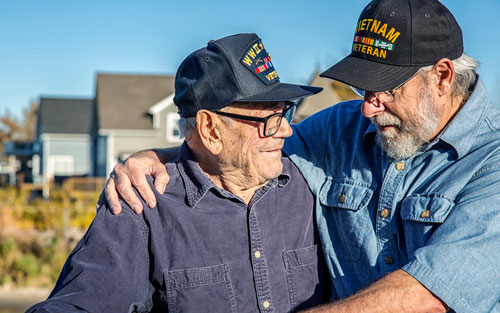 Almighty and everlasting God, we remember (this day) all those who have risked their lives to pursue peace and preserve the freedoms we enjoy. Bless, sustain and strengthen the veterans who have provided military service to this nation. By the power of the Holy Spirit, encourage and bless them going forward in their lives (especially N.).
 Almighty God, to whom we must account for all our powers and privileges: Guide the people of the United States in the election of officials and representatives, especially for President.